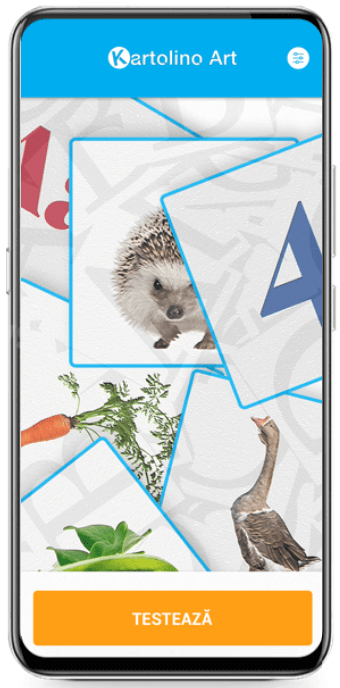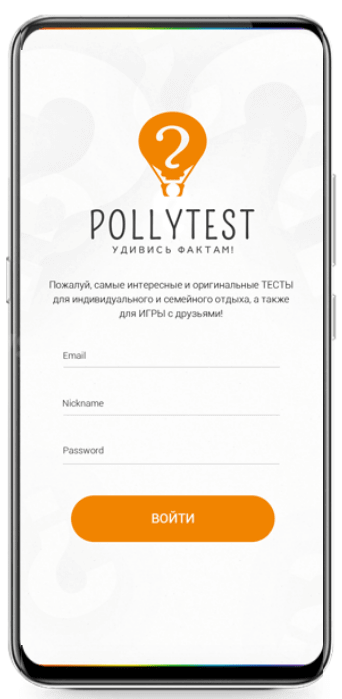
Our iOS app development services turn your idea into a custom application for iPhone and iPad. We work with individual clients, independent creators and organisations. Your app can offer learning content, a personal tool, bookings, payments, notifications or access to an existing service. Studio Webmaster is based in Moldova and works with clients abroad.
We start with the app goal, target audience, user roles and the main task of the first release. The next steps cover the technical specification, screen structure, prototype, UX/UI design, required data and integration plan.
Native iOS application development uses Swift with SwiftUI for the interface. The scope can include a backend, an administration panel, authentication, payments, subscriptions, notifications, maps, camera access, files and connections to an existing website or internal system.
Before launch, we test the main scenarios on supported Apple devices and prepare a TestFlight build, icon, screenshots, description and technical information. We help submit the app for App Store review, but Apple makes the final publication decision.
The cost of iOS app development depends on the number of screens, features, design, backend, payments, notifications, integrations and data protection requirements. Budget guidance is available on the app development pricing page. For an initial estimate, it is enough to describe the project goal, users, core functions, required devices and systems that need to exchange data with the app.
If the application needs to share accounts, content or orders with a website, it can be planned together with website development. For e-commerce, the iOS version can connect to an online store, catalogue and order management system.
Start with the main task your app should help people complete. Tell us who will use it, which features are essential for the first release and whether it needs to work on iPhone, iPad or both. Existing designs, content and examples of similar user flows help us define the scope; you can also bring an idea that still needs a specification and prototype.
Before development, we agree the screens, data, integrations, supported devices and acceptance criteria. The estimate separates the first release from possible future additions. App Store submission, access handover and support arrangements are discussed as part of the project, so the work follows an agreed scope.
An iOS application can give people a convenient way to use your product or service on an iPhone or iPad. The right scope depends on the tasks they need to complete and the systems the app must connect to.
For iOS app development, we agree the user journeys, supported devices, integrations and acceptance criteria before implementation. Design and testing address the main usage scenarios, while delivery stages help you review progress and control scope. Support arrangements and App Store submission requirements are discussed as part of the project.
What a custom iOS application can offer:
One system can work on iPhone and iPad with shared accounts, data and backend services. The interface and user flows are adapted to the screen size and usage context of each device.

The larger screen is suitable for catalogues, presentations, learning, reports, logistics, internal tools and processes where users need to view more information at once.
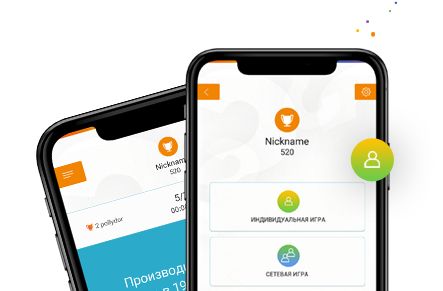
On iPhone, users need a short path to the main action, clear navigation, responsive screens and consistent performance. The interface follows familiar iOS usage patterns.
The feature scope and supported devices are agreed before programming, so the client understands the first release and the options for future development.

The project is divided into stages with clear outcomes. The client can see what has been agreed, what is being developed and what must be checked before the application is submitted for review.

We define the audience, the user's main action, roles, first-release features, constraints and expected business result.

We design the screen structure, navigation and sequence of actions. The prototype shows how people will use the app before programming begins.

We prepare the interface for iPhone and iPad, including buttons, forms, loading states, messages, lists and screens for the main user scenarios.

We build the agreed features and connect the backend, accounts, roles, notifications, payments, maps, files and required APIs.

We test the application on supported devices, check the main actions and prepare a TestFlight build, description, icon, screenshots and technical data for review.

After the first launch, new releases can add features and expand the backend or administration panel based on real usage.
For an iOS project, the interface, permissions, personal data, payments, performance and supported system versions must be considered in advance. These requirements affect the technical specification, design and testing.
When designing an ios app, you need to take into account both the screen diagonal and the functional differences of each version of the device.
By implementing all the distinctive features of the operating system in your IOS app, it gives you the advantage that users will be more loyal to the mobile app, and its rating will increase accordingly.
It should also be mentioned that when developing, you should take into account the fact that when a new version of the ios operating system is released, the created application will not always work without lags. Therefore, at the testing stage, it is necessary to identify all inconsistencies and bugs with the latest operating system and fix them in time.
Another important detail in ios development is keeping the code up to date.
The difficulty is that Apple does not provide the entire list of innovations at the moment in the first stages, providing access only to beta versions with limited functionality. Therefore, professional development of a mobile IOS app is always accompanied by testing it on a new OS and then adapting it to new conditions, if necessary. For example, the IOS 13 version is equipped with registration in applications by pressing just one button and without filling in anything superfluous to get into any application. This was implemented using an "Apple ID". In addition, the user can hide their Apple ID by blocking access to mail.
Such seemingly small things need to be taken into account, as ios users are quite loyal to all innovations.
The next block of nuances when developing an ios app is the design.
Design has always been Apple's top priority. Given this, iphone users have long been accustomed to the fact that their gadget has a stylish and colorful interface design and an intuitive control system.
When creating a mobile app for ios, customers are often asked to implement a unique element design that is not always approved by the official developer platform. Here you need to take into account the balance, as mentioned earlier in order for the developed application to get into the AppStore, you need to take into account the guideline platform.
This also includes such a nuance in the development of mobile applications on IOS as the introduction of a dynamically changing system font size. If you do not take this feature into account, the IOS font will remain static, without the possibility of changing it dynamically.
Before submission, we prepare the TestFlight build, icon, screenshots, description and technical information. We help with the submission process, but Apple makes the final publication decision.
The client receives the agreed application release, required access credentials, backend or administration panel according to the scope, instructions and a clear plan for future development.
If the product must cover both platforms, its scope can be planned through mobile application development. If Android is added after the iOS release, the next stage can continue through dedicated Android app development.

Leaders in the IT market |
| 14+ years of experience and innovative solutions to help your business stand out and grow. |

Inspiring portfolio |
| 150+ successful projects: from sleek landing pages to complex corporate systems. |

Team of experts |
| 51+ professionals who bring your ideas to life with maximum efficiency. |

| NOTORIUM TRADEMARK AWARDS |
| Notorium Trophy 2017, Notorium Gold Medal 2018, Notorium Gold Medal 2019 |

| TRADE MARK OF THE YEAR |
| Gold Medal 2016, Gold Medal 2017, Gold Medal 2018, Gold Medal 2019 |

| THE BEST EMPLOYER OF THE YEAR |
| According to the annual Survey conducted by AXA Management Consulting - 2017, 2018, 2019 |