Studio Webmaster provides Google Play ASO and promotion for Android apps. We review the product, listing and available performance data, then agree the work needed for your target countries and languages. The service can support a new launch or an existing app.
Google Play store optimization helps present the app clearly to relevant users. We work on the agreed listing content and materials, using the product features and audience needs as the starting point. Paid acquisition, new creative assets and app changes are scoped separately where required.
Independent developers, organizations and companies can request this service. Having an app does not automatically make promotion profitable: the plan should consider how users discover it, decide to install it and use it afterward.
We assess the listing wording, relevant search terms, visual presentation and language versions. The brief identifies the fields and materials to prepare, which assets are already available and who will implement the changes. Store content must describe the actual app rather than promise features that are not present.
A translated description alone may not explain the app effectively in another market. We consider audience terminology and the product message for the agreed countries and languages. The required translations, screenshots and other localized materials are specified before work begins.
Where reporting is available, we review store visits, acquisition sources, conversion to installs and relevant subsequent actions. Comparisons use consistent countries and reporting periods, with listing updates and campaign activity recorded alongside the results. Google web-search volumes help research the service market but are not exact Google Play keyword volumes.
Send the Google Play link, target countries and languages, goals, existing materials and any available analytics. The estimate depends on the work required, not a fixed placeholder price. Listing work, creative production and advertising spend are identified separately; the schedule and review process are agreed for your project.
When choosing an Android app marketing company, clarify what will be delivered and how results will be assessed. This page covers Google Play; for a strategy across both stores, see mobile app marketing services. For an iOS product, see App Store promotion.
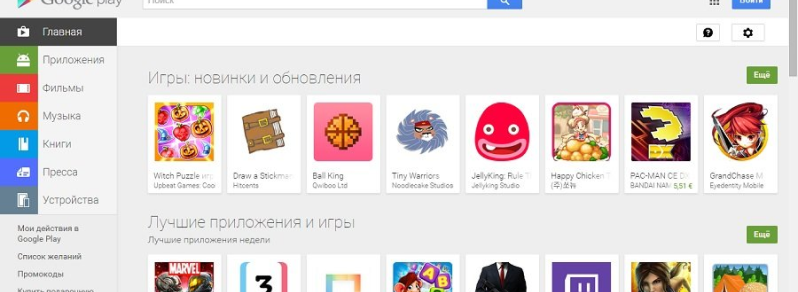
Google Play promotion combines ASO, or app store optimization, with audience acquisition. The listing should explain the Android app’s features and help relevant visitors decide whether to install it.
In any case, the promotion process begins with an audit. Before determining a promotion strategy, it is necessary to analyze the application. It is necessary to identify shortcomings and eliminate them in the future, as well as find advantages in order to use them most effectively. In addition, this initial stage includes competitor analysis.
ASO starts with the needs of potential users and the words they use to describe an app. We research relevant keywords for the selected countries and languages, review competing listings and map search intent to the product’s actual features. Web search volumes cannot automatically be treated as Google Play search volumes: third-party estimates are directional, not exact measurements. This research informs the app name, short description and full description. We check that wording is natural and that the listing accurately represents what the app does. Popular but unrelated terms are excluded. Materials and the sequence of changes are agreed before publication so that later comparisons have a clear baseline. For each language, we consider local terminology and audience needs instead of relying on literal translation. After an update, page visits and conversion to installs help assess the result alongside other changes in the product and acquisition activity.
However, if we talk for example about a regular site, in addition to the Title and Description meta tags, a big emphasis is placed on text content. In the case of an application, the description of the application plays the same role. Next, you will get acquainted with the elements of internal optimization and their elaboration:
Strategy depends on the product’s stage. A new app needs a clear listing, working analytics and initial evidence about the right audience. An established product needs analysis of installation sources, conversion and retention. We select priority countries and languages, agree the advertising budget and plan listing changes. ASO and paid campaigns are assessed separately: more installs during an advertising campaign do not prove improved organic rankings. Reports describe completed work, changes in the selected metrics and the next hypotheses to examine. Decisions follow project data and business goals, rather than a chart position alone. This also helps identify whether the next priority is better acquisition, a clearer store page or improvements to the app itself.
Paid acquisition is planned separately from ASO. We agree countries, audiences, measurable actions and budget, then prepare materials and check event tracking. Cost per install is considered alongside subsequent user activity, because inexpensive downloads may not produce registrations or purchases. Campaign work and advertising spend are agreed before launch. Results are compared by source and reporting period, and a particular ad placement cannot be guaranteed. This keeps acquisition decisions tied to the app’s commercial objectives.
Relevant publications and the app’s website can explain the product and direct interested visitors to Google Play. Sources are selected for their audience and content, with results assessed through visits and user actions. An external link is not presented as a guaranteed way to raise the app’s store ranking.
Measurement helps assess the selected promotion activities; it does not predict future results with certainty. Depending on the available data and project goals, we review:
Additional channels are selected according to the app’s goals, analytics and budget. Launching everything at once is not necessary: first identify where users drop off and which changes can be evaluated. The two options below are considered according to the project’s needs.
 App’s official site
The site will allow you more flexible content management, because the store has certain restrictions. You will have the opportunity to better introduce users to your application. A website can provide another route to discovery, but search traffic is not guaranteed.
 App advertising
Advertising can expand an app’s reach, but placement depends on the advertising system, campaign settings, budget and competition. Before launch, we agree the target action, verify analytics and approve spending. We then compare acquisition costs and user quality, rather than promising the first position on every impression.
Studio Webmaster connects the Google Play listing, promotional materials and analytics in an agreed plan. To assess the project, we need the app link, target countries, objectives and available data. The findings determine the scope and how changes will be reviewed; rankings and revenue are not guaranteed in advance.

Leaders in the IT market |
| 14+ years of experience and innovative solutions to help your business stand out and grow. |

Inspiring portfolio |
| 150+ successful projects: from sleek landing pages to complex corporate systems. |

Team of experts |
| 51+ professionals who bring your ideas to life with maximum efficiency. |

| NOTORIUM TRADEMARK AWARDS |
| Notorium Trophy 2017, Notorium Gold Medal 2018, Notorium Gold Medal 2019 |

| TRADE MARK OF THE YEAR |
| Gold Medal 2016, Gold Medal 2017, Gold Medal 2018, Gold Medal 2019 |

| THE BEST EMPLOYER OF THE YEAR |
| According to the annual Survey conducted by AXA Management Consulting - 2017, 2018, 2019 |