An affordable online store starts with a manageable scope, not an unexplained low price. Identify the products and ordering tasks needed at launch, then separate optional enhancements from essential work. This guide explains where a smaller scope can save effort without leaving the purchase journey incomplete.
First off, let’s shatter the myth that creating an online store requires a hefty budget. ⭐ With the right tools and knowledge, you can set your store with minimal investment. Many have reported that they recouped their initial investment within the first year! This statistic is a testament to the thriving e-commerce world.
Your journey to create an online store cheaply starts with selecting the best platform. Here are some popular choices:
For budget-conscious businesses, using WordPress on a template can significantly cut costs. Investing in a tailored solution might tempt you, but, starting with a template can get you off the ground relatively quickly!
In e-commerce, often less is more. A visually appealing design doesn’t have to break the bank! Opt for straightforward layouts that align with your branding.
Effective marketing doesn’t always equal expensive ads. Consider these affordable strategies to attract customers:
Don’t underestimate the power of organic traffic, either!
Organic search work should address relevant queries, useful product information and technical access to the site. Compare its effort and results with the goals of the store; it is not automatically cheaper or more effective than paid advertising.
Compare the full commitment: initial implementation, subscriptions and the work needed to maintain the chosen setup. A low introductory price does not establish the total cost.
Prepare accurate product records before development begins. Missing descriptions, variant information and images create additional work regardless of the platform chosen.
Assign responsibility for software updates and review security-related changes when they become relevant. The maintenance schedule should reflect the actual components and risks, not an arbitrary quarterly promise.
Creating an online store on a budget is viable, but it’s crucial to avoid common pitfalls:
By steering clear of these mistakes and following expert advice, you put yourself on the right path to success.
At webmaster.md, we boast experience in software development and e-commerce solutions. Our specialists provide a complete range of services, from custom website design to technical support, all in one place. Why reach out to three companies when you can get it all under one roof?
Ready to take the first step? Give our customer relations manager, Arsenii, a call at +373 601 066 66 or visit webmaster.md to sign up for our services!
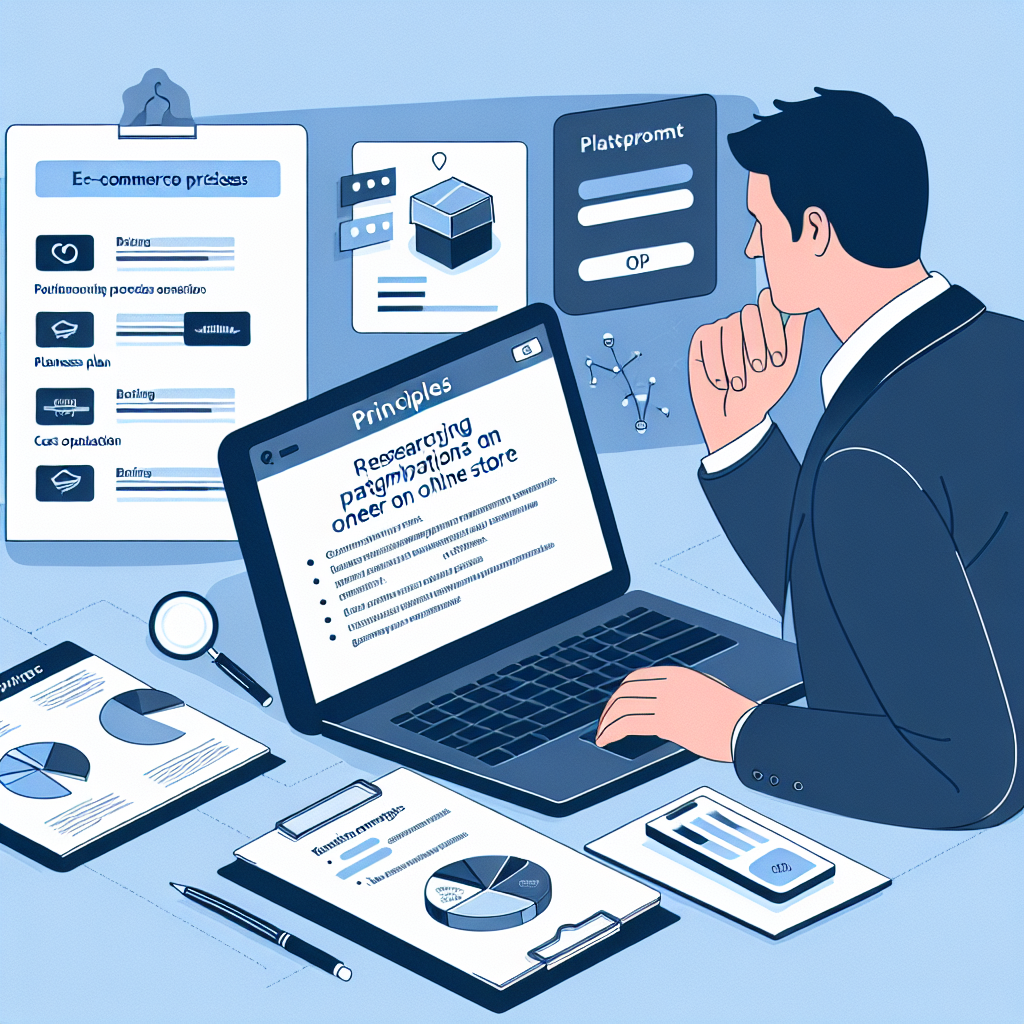
When it comes to creating an online store cheaply, there are many misconceptions swirling around. You might have heard friends or seen online discussions that paint an overly complicated picture of what it takes to dive into e-commerce. Let’s debunk some of these myths so you can kickstart your online business with confidence!
One of the biggest myths is that you need a massive budget to get started. This couldnt be further from the truth! Many successful entrepreneurs started with limited funds and gradually scaled their operations as they grew.
Many believe they need to be a tech expert to run an online store. While some level of knowledge can be helpful, today’s platforms are designed for ease of use, even for beginners. For example, many website builders offer drag-and-drop interfaces, which require no coding skills whatsoever. With tutorial guides readily available, most users can learn the basics in no time!
If you're feeling apprehensive about technology, consider hiring a service provider. At webmaster.md, we offer comprehensive support to help you navigate the technical aspects. Our team can set up and manage your online store, allowing you to focus on growing your business.
An available extension can reduce development work, but configuration, compatibility checks and ongoing charges still need assessment. Review each proposed component against the requirement it serves.
Ask which requirements can be deferred without making ordering incomplete. A smaller catalog can be a sensible first release; an untested checkout is not a cost-saving strategy.
Another common fallacy is that small businesses cannot compete with giant e-commerce sites like Amazon or eBay. However, small businesses can thrive by focusing on niche markets, personalized customer service, and unique product offerings. Many customers prefer shopping with local businesses to support their communities!
By engaging more intimately with your audience and capitalizing on your unique branding, you can carve out your own space in the market!
Some believe that implementing SEO (Search Engine Optimization) is too complicated and only reserved for companies with deep pockets. In truth, smaller businesses can achieve effective SEO without high-cost consultants. There are many free resources and tools available online to help you optimize your content and attract organic traffic.
For a project involving “Online Store Creation Service”, check catalog, payment and delivery flows on phones; assess the result through completed orders.
Now that we've debunked these myths, here’s a straightforward plan of action:
These steps can set you on the path to successfully creating an online store cheaply.
At webmaster.md, we are here to help you overcome your hesitations about launching your store. Our dedicated team can offer tailored services at various price points, ensuring everything from setup to ongoing support is taken care of. Don’t hesitate to reach out to Arsenii at +373 601 066 66 or visit our website to discover how we can assist you!

When it comes to creating an online store cheaply, one of the foremost decisions you'll face is selecting the right platform. The e-commerce platform you choose can make or break your budget, impacting every aspect of your online business. Let’s dive into why this choice is crucial and how to ensure you get the most value for your investment!
E-commerce platforms are software solutions designed to help businesses manage online sales. These platforms come in different shapes and sizes, each tailored to meet various needs, budgets, and skill levels. Popular options include:
Choosing the right one is pivotal in ensuring you don’t overspend or find yourself limited by unexpected costs later on.
Compare the initial setup and recurring charges of each suitable platform. Include required extensions, maintenance and any work the owner must supply. A low entry price alone does not establish the least expensive complete solution.
Meet Tom, who launched his online gadget store using WooCommerce. As his business grew, he could adapt his platform without needing to switch or incur hefty fees, saving him thousands in the long run!
Sometimes, businesses grow quickly and unexpectedly. Having a platform that can scale with you is crucial. Selecting a platform that offers further functionalities or advanced features as your business expands can save you from the headache of migrating to another service.
Platforms like BigCommerce are designed to handle large inventories and high sales volumes without needing a complete overhaul of the system. This means your existing data and customer relationships remain intact as your business evolves.
Many emerging business owners think they need to be tech-savvy to maintain an online store. However, some platforms are more user-friendly than others. Choosing a platform with an intuitive interface can save you countless hours—and money—on training and troubleshooting.
Take Shopify, for example. It’s praised for being beginner-friendly with its easy drag-and-drop functionality. In contrast, advanced platforms like Magento might require coding expertise, making them less viable for those with limited technical knowledge.
Investing time in learning a complicated system might delay your launch and cost more in the long run! ⏳
Reliable customer support can be vital when technical issues arise. While some platforms offer extensive support via various channels, others might leave you high and dry during crucial moments. Good support could save your business from long downtimes that lead to lost sales.
Consider platforms with established customer support teams or communities, such as WordPress and Shopify, which provide extensive documentation, forums, and dedicated support in case you encounter any challenges.
Your brand identity matters, and the ability to customize your store accordingly is essential. Some platforms, like WooCommerce, offer extensive customization options, allowing you to tweak every detail. Others may have limitations on design and functionality, which can become frustrative if you wish to offer a unique shopping experience to your customers.
Consider Lena, who started an organic skincare line. She opted for WooCommerce because of its extensive customization options. With a personalized design and tailored functionalities, Lena could position herself as a unique brand in a competitive market. This customization was integral to her brand’s success, and it was achieved without the costs of switching platforms later on!
In summary, selecting the right platform is a cornerstone to creating an online store cheaply. By focusing on cost efficiency, scalability, ease of use, reliable customer support, and flexibility, you can position yourself for success without overspending. If you're ready to dive into e-commerce and want expert guidance, consider reaching out to us.
At webmaster.md, our specialists can help you navigate the various options and find the perfect fit for your business. Don’t hesitate to call Arsenii at +373 601 066 66 or visit webmaster.md to learn more about how we can assist you in launching your online store!
Choose a manageable set of products for the first release. Prepare the actual names, descriptions, images, prices and variants before asking a provider to estimate the setup. A small catalog with consistent data can be easier to launch than a larger catalog assembled from incomplete files.
Do not confuse reducing the initial catalog with removing information customers need. If size, materials or delivery restrictions affect the purchase, include them. Record who will maintain those details when a product changes.
A shared product layout can reduce design and implementation work when the products have similar information requirements. Compare representative items before approving it. If one category needs a different ordering process, identify that difference rather than hiding it inside a general template quote.
Choose visual changes that improve clarity. Custom decoration may be deferred, but text readability, usable controls and a clear order summary belong in the acceptance checks. Review the proposed layout on the agreed screen sizes.
Write down the steps from selecting an item to receiving an order confirmation. Decide which delivery and payment options are necessary for the initial audience. An unsupported combination should produce a clear outcome rather than an order that staff cannot fulfill.
Wish lists, complex loyalty rules and personalized suggestions may be useful later, but they need a reason to be included now. Evaluate the customer task each addition supports and the data or ongoing work it requires. Deferring a feature is sensible only if the remaining journey is complete.
Ask whether product entry, images, translations and account setup are included. These tasks still need an owner when they are excluded from the developer’s work. A lower quote may reflect a larger contribution from the store owner rather than a more efficient implementation.
List recurring services separately. Review the chosen platform plan, domain, hosting where applicable and any extensions. Check which changes may require professional help and how that work will be agreed after launch.
Test representative orders and routine administration before handover. Include an unavailable product, an unsuccessful payment and a delivery destination with different rules. Verify that the person managing orders can understand the result and take the appropriate next step.
Record what remains outside the first release. A short, agreed list makes later estimates easier and prevents an affordable starting scope from being mistaken for a promise to include every future idea. Review that list against actual customer needs after launch.

For help with the work described here, see our online store development. Send the current website, goals and known requirements so the scope and deliverables can be discussed.
Related planning guides cover essential features for a smaller launch and budgeting for changes.


Leaders in the IT market |
| 14+ years of experience and innovative solutions to help your business stand out and grow. |

Inspiring portfolio |
| 150+ successful projects: from sleek landing pages to complex corporate systems. |

Team of experts |
| 51+ professionals who bring your ideas to life with maximum efficiency. |

| NOTORIUM TRADEMARK AWARDS |
| Notorium Trophy 2017, Notorium Gold Medal 2018, Notorium Gold Medal 2019 |

| TRADE MARK OF THE YEAR |
| Gold Medal 2016, Gold Medal 2017, Gold Medal 2018, Gold Medal 2019 |

| THE BEST EMPLOYER OF THE YEAR |
| According to the annual Survey conducted by AXA Management Consulting - 2017, 2018, 2019 |